
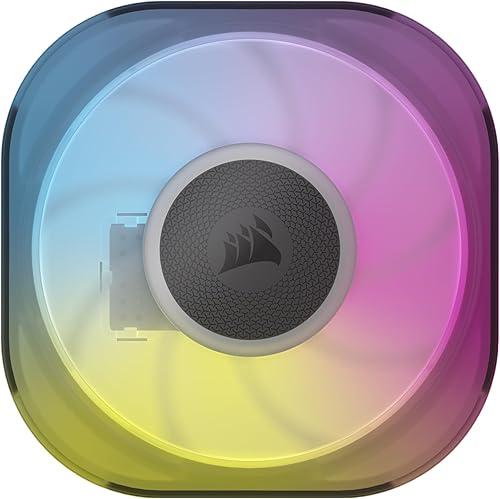
CORSAIR iCUE Link AIO VRM Fan Module – Additional Motherboard Cooling for Overclocking – Easy CapSwap Installation – 70mm Fan – Magnetic Dome Bearing – Black
Prices and availability subject to change. As an Amazon Associate we earn from qualifying purchases.
Similar or Frequently Bought Together
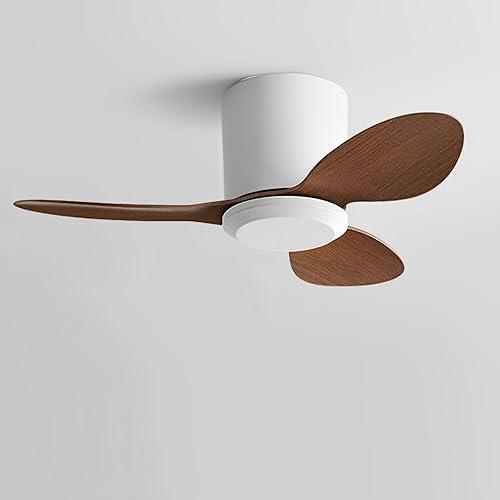
Flush Mount Ceiling Fan No Light Modern Small Ceiling Fans Remote Control 6 Speeds 25 Inch Ceiling Fan Without Lights Quiet DC Motor, 3 Blades For Restaurant Bedroom Patio Indoor
$80.30
$109.99
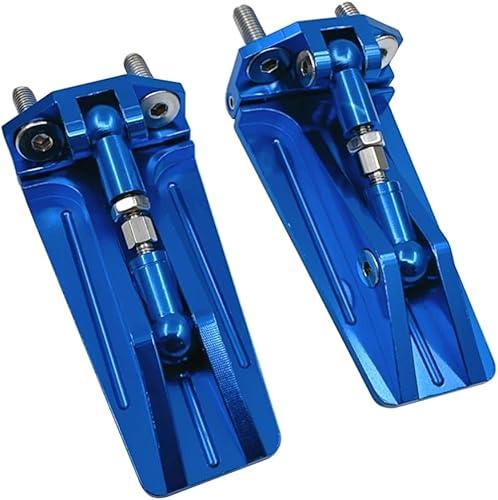
1Pair RC Boat Trim Tab Metal CNC Trim Flaps 60mmx30mm for RC Speed Boat Racing Oval Vee TRAXXAS Spartan SR DIY Upgrade Parts (Blue)
$69.89
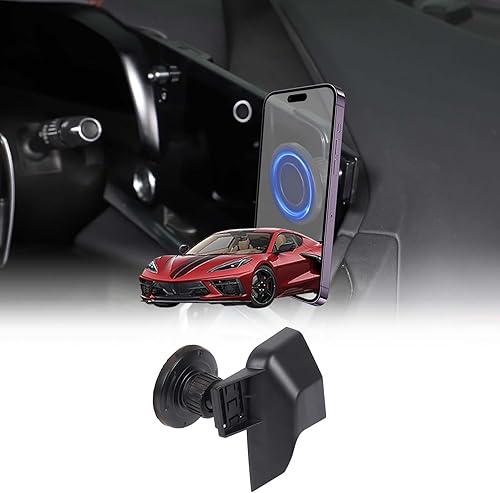
Car Phone Holder Compatible with Chevrolet Corvette C8 2020-2025 Stingray Center Console Dashboard Phone Mount Magnetic Phone Mount Dash Clip Accessories
$36.99
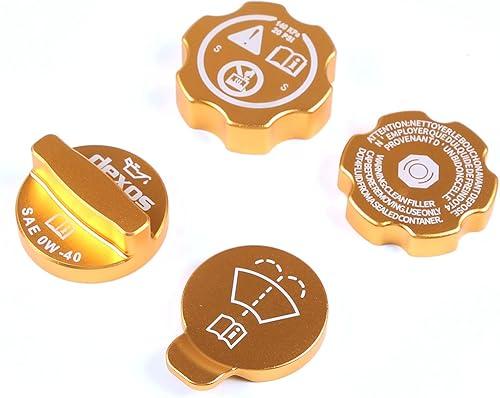
Aluminium Alloy Engine Oil Cap Radiator Cap Washer Cap Brake Fluid Cap Cover Trim Compatible with Chevrolet Corvette C8 2020-2023 2024 2025, Engine Cap Cover Set C8 Accessories 4PCS (Aluminum - Gold)
$42.98
About this product
Overview
The CORSAIR iCUE Link AIO VRM Fan Module is a specialized cooling solution designed to keep voltage regulator modules cool during aggressive overclocking. This 70mm fan mounts directly onto motherboard VRM heatsinks and integrates seamlessly with CORSAIR's iCUE ecosystem for synchronized RGB lighting and fan control.
Key Specifications
The module features a magnetic dome bearing for quiet, reliable operation and uses CORSAIR's proprietary CapSwap installation system for tool-free mounting. It delivers targeted airflow to VRM components while maintaining compatibility with most modern motherboards through its universal mounting bracket.
Who It's For
Overclockers pushing high-end CPUs will appreciate the dedicated VRM cooling to maintain stable power delivery under extreme loads. System builders seeking comprehensive thermal management across all motherboard components benefit from the iCUE Link integration and customizable fan profiles.
Worth Buying?
This module makes sense if you're already invested in CORSAIR's iCUE ecosystem and actively overclocking high-power CPUs where VRM temperatures become a bottleneck. For standard users or those with adequate case airflow, the investment may be unnecessary since most modern motherboards handle VRM cooling adequately without additional fans.