
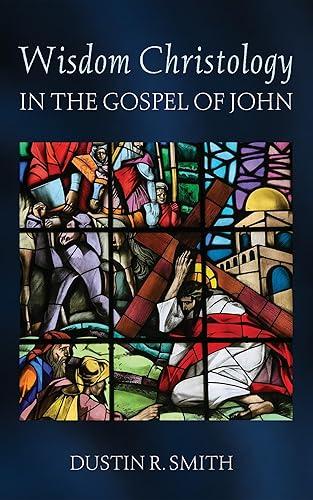
Wisdom Christology in the Gospel of John
Prices and availability subject to change. As an Amazon Associate we earn from qualifying purchases.
Similar or Frequently Bought Together
Our Great Redeemer: 365 Days with J. C. Ryle
$9.99
$30.00

Pray, Play, Slay! Short Devotions for Young Athletes: Build Mental Toughness, Resilience, and Teamwork with This Easy 52‑Week Sports Bible Devotional for Teens—One Minute at a Time
$8.99
$13.95

When the Zen Master Speaks to the Heart: 52 Short Zen Stories to Quiet Negative Thoughts, Relieve Stress & Embrace Mindfulness. Learn to Let Go of ... True Inner Peace (Buddhism for Beginners)
$9.99
$24.99
Being Happy in an Unhappy World
$7.99
$9.99
About this product
Overview
This scholarly monograph examines the Gospel of John through the lens of ancient Jewish wisdom traditions, arguing that John’s portrayal of Jesus as divine Wisdom redefines early Christology. Its top feature is the meticulous tracing of Wisdom Christology across the entire Johannine corpus, from the prologue to the farewell discourse.
Key Specifications
The author devotes three chapters to the Logos hymn (John 1:1–18), showing how it adapts Proverbs 8 and Sirach 24 to present Jesus as preexistent Wisdom incarnate. A further analysis of John’s “I am” sayings reveals that each echoes divine agency language from Old Testament wisdom texts, grounding Christ’s divinity in scriptural precedent.
Who It's For
This book is ideal for graduate students and scholars in New Testament studies who seek a rigorous, intertextual approach to Johannine theology. It also serves pastors preparing sermons on John’s high Christology, offering concrete parallels between Proverbs 8 and John’s portrayal of Jesus as the way, truth, and life.
Worth Buying?
If your research or teaching requires a deep understanding of how John uses wisdom traditions to construct its Christology, this monograph is indispensable. Its close reading of intertextual connections between John and the Old Testament wisdom corpus provides fresh insight without oversimplifying the text's complexity.