
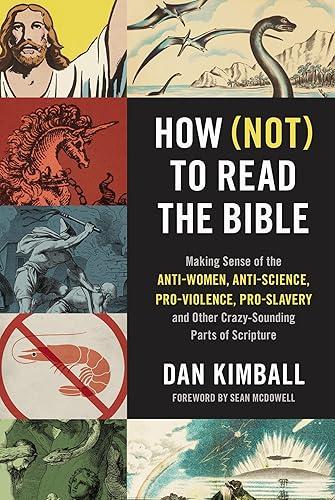
How (Not) to Read the Bible: Making Sense of the Anti-women, Anti-science, Pro-violence, Pro-slavery and Other Crazy-Sounding Parts of Scripture
Prices and availability subject to change. As an Amazon Associate we earn from qualifying purchases.
About this product
Overview
This book offers a practical guide to understanding controversial and difficult passages in the Bible that often confuse or trouble modern readers. The author's single most compelling feature is providing interpretive frameworks that help believers reconcile ancient scripture with contemporary values.
Key Specifications
Published by Zondervan, this paperback edition contains approximately 304 pages and is designed for both casual readers and serious Bible students. The book employs historical-cultural context as its primary analytical tool, examining how ancient Near Eastern customs inform scriptural interpretation. Written in accessible prose rather than academic jargon, it balances scholarly rigor with readability for a general audience.
Who It's For
This book serves Christians struggling with biblical passages that seem to contradict modern ethics, particularly regarding women's roles, scientific claims, violence, and slavery. Seminary students and Sunday school teachers will find it valuable for addressing tough questions from congregants. It's also ideal for seekers or skeptics who have dismissed Christianity based on perceived contradictions in scripture—offering substantive explanations rather than dismissive answers.
Worth Buying?
If you've encountered difficult biblical passages and want thoughtful, non-defensive exploration rather than fundamentalist apologetics, this delivers meaningful insight. The author avoids both extreme skepticism and blind acceptance, instead promoting critical thinking grounded in textual scholarship. It's particularly useful for anyone teaching Bible studies or engaging in interfaith dialogue where these questions inevitably arise.
More Books deals
 -94%
-94%When You Were Mine: the best new emotional and powerful women’s fiction novel of 2025, perfect for fans of Jodi Picoult’s My Sister’s Keeper and Susan Lewis
$0.99
 -96%
-96%Dark Nights: Metal Omnibus
$4.99
 -90%
-90%The Sun and the Starmaker (Deluxe Edition): A Whimsical Fantasy Romance Beneath the Stars
$1.99
 -93%
-93%We'll Prescribe You Another Cat
$1.99