
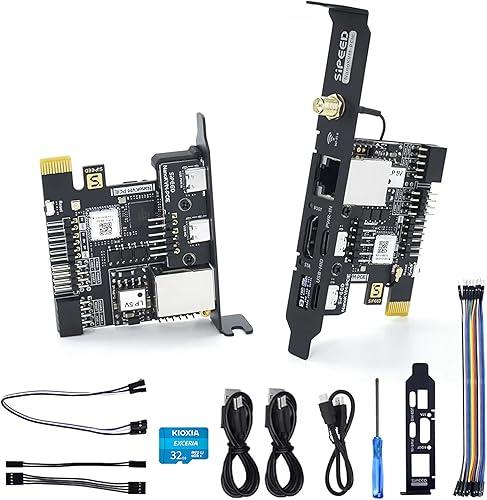
Sipeed NanoKVM-PCIe IP-KVM Remote Control Operations Maintenance Server, DDR3 RISC-V Linux Development Board, 1TOPS NPU 1GHz SG2002 RISC-V CPU, HDMI PCIe 100M Network Port (NanoKVM-PCIe ETH+PoE)
Prices and availability subject to change. As an Amazon Associate we earn from qualifying purchases.
Similar or Frequently Bought Together
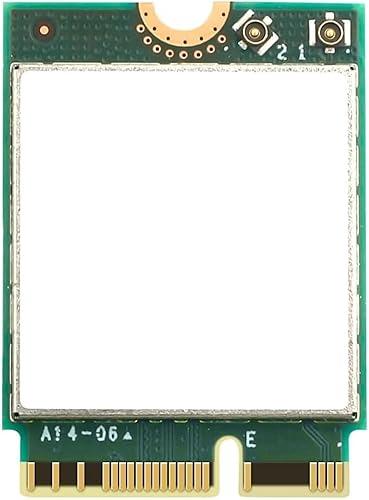
BE1750i Killer Series Upgraded BE201 WiFi 7 Adapter | M.2 CNVio3 WiFi Card | 5.8 Gbps Gaming WiFi for PC | Bluetooth 5.4 Support | Requires Intel 13th+ Gen CPU
$57.99
$64.99
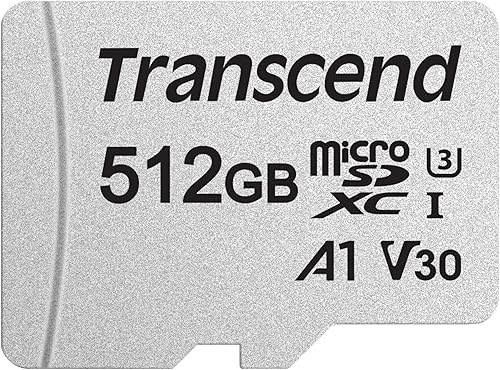
Transcend USD300 512GB microSDXC Micro SD Card for Nintendo-Switch/Steam Deck/ROG Ally/MSI Claw/GoPro/DJI/Insta360/Action Camera, A1 V30 UHS-I U3 C10, Up to 100MB/s, 4K UHD Video Memory Card w/Adapter
$92.29
$148.94
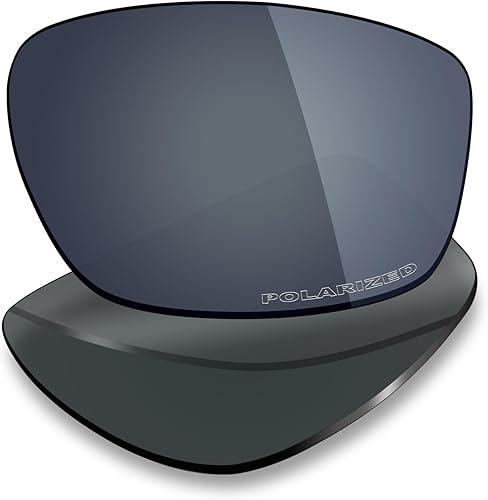
Mryok Replacement Lenses Compatible with Oakley Siphon OO9429 Sunglasses, HD Polarized, UV Protection, Impact Resistant
$29.98

SKTU 2Pcs for 2026 2027 Genesis GV70 Accessories Screen Protector 27 Inch for 2026+ Genesis GV70 27-Inch Integrated Media Navigation Screen Genesis GV70 2026 2027 Accessories High Clarity Anti-Scratch 2026 GV70 Nano Screen Protective Film
$37.55
About this product
Overview
The Sipeed NanoKVM-PCIe is a compact IP-KVM device that enables remote server management and control via network connection. It combines a RISC-V development board with enterprise-grade remote access capabilities, making it ideal for data center operations and headless system administration.
Key Specifications
This device features a 1GHz SG2002 RISC-V CPU paired with 1TOPS NPU acceleration and DDR3 memory for processing. Connectivity includes HDMI video capture, PCIe interface, 100M Ethernet, and PoE power delivery, eliminating the need for separate power cables in networked environments.
Who It's For
Server administrators managing multiple machines remotely will appreciate the out-of-band control without relying on OS-level access. Linux developers and embedded systems engineers benefit from the RISC-V architecture for custom kernel development and low-level hardware experimentation.
Worth Buying?
The combination of KVM functionality with an open-source development platform justifies the investment for professionals needing both remote management and hardware learning opportunities. The PoE support and compact form factor make deployment straightforward in rack environments or distributed setups.