
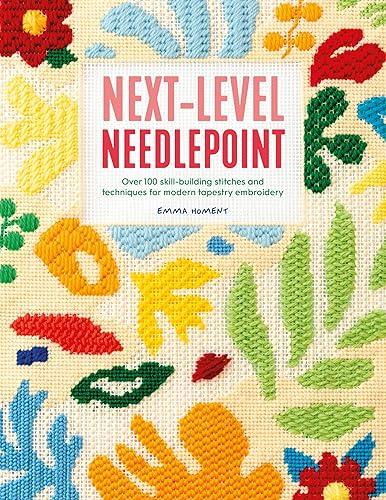
Next-Level Needlepoint: Over 100 skill-building stitches and techniques for modern tapestry embroidery (Emma Homent Needlepoint Collection, 4)
Prices and availability subject to change. As an Amazon Associate we earn from qualifying purchases.
Similar or Frequently Bought Together

Dictionary Of Color Combinations Volume 2
$19.90
$25.00

The Eras Pour: The Unofficial, Ultimate Taylor Swift Cocktail Book
$13.99
$26.99
Dessert Course: Lessons in the Whys and Hows of Baking
$12.99
$35.00

Stained Glass Style Puzzle Suncatcher, Acrylic Puzzle for Adult Window Hanging, DIY Crystal Jigsaw Art, National Puzzle Day Decorations, Creative Home Decor Ornament with Whimsical Pieces (G)
$9.99
$11.99
About this product
Overview
This comprehensive needlepoint guide from the Emma Homent Collection delivers over 100 stitches and techniques designed for both beginners and experienced embroiderers. It bridges traditional tapestry methods with contemporary design approaches, making it an essential reference for anyone serious about advancing their needlepoint skills.
Key Specifications
The book contains detailed instructions for 100+ stitch variations with step-by-step visual guidance throughout its pages. It's the fourth volume in the Emma Homent Needlepoint Collection series, offering progressive skill-building content that complements previous volumes while standing alone as a complete resource.
Who It's For
This book suits intermediate to advanced embroiderers looking to expand their technical repertoire and explore modern tapestry design approaches. It's also ideal for instructors and craft enthusiasts who want a structured, reference-quality guide to teach or learn contemporary needlepoint methods systematically.
Worth Buying?
The extensive stitch library and clear instructional format make this valuable for serious practitioners who regularly work on needlepoint projects. The modern perspective on traditional techniques justifies the investment for those committed to developing mastery rather than casual hobbyists.